Maintaining a home involves several routine tasks that often go unnoticed until a problem arises. One of the most critical yet frequently overlooked maintenance chores is learning how to flush a water heater. Over time, minerals like calcium and magnesium, along with sand and grit from the municipal water supply, settle at the bottom of your tank. This accumulation, known as sediment, can significantly reduce the efficiency of your unit and lead to premature failure.
When sediment builds up, it creates a barrier between the heating element and the water. For gas heaters, this means the burner has to work harder and stay on longer to heat the water through the layer of sludge, which can eventually damage the tank’s glass lining. For electric heaters, sediment can bury the lower heating element, causing it to burn out. By performing a regular flush, you ensure that your system runs smoothly, providing consistent hot water while keeping your energy bills in check.
This comprehensive guide will walk you through the systematic steps required to flush your water heater safely and effectively. Whether you are a seasoned DIY enthusiast or a first-time homeowner, following these clear instructions will help you protect one of your home’s most expensive appliances. Let us dive into the details of keeping your water heating system in peak condition for 2026 and beyond.
Understanding the Importance of Water Heater Maintenance
Why Sediment is Your Water Heaters Enemy
Sediment acts as an unwanted insulator at the bottom of your tank. In gas-powered units, the burner is located underneath the tank. When a thick layer of mineral deposits settles there, the heat must first penetrate the sediment before it can reach the water. This leads to overheating of the tank bottom, which weakens the steel and can cause the internal protective lining to crack, eventually leading to a catastrophic leak.
In electric models, the situation is slightly different but equally problematic. The lower heating element is often submerged in the water near the bottom. If sediment builds up high enough to cover the element, it cannot dissipate heat into the water effectively. This causes the element to overheat and fail prematurely. Understanding these risks is the first step in realizing why knowing how to flush a water heater is a vital skill for every homeowner.
Signs Your Water Heater Needs a Flush
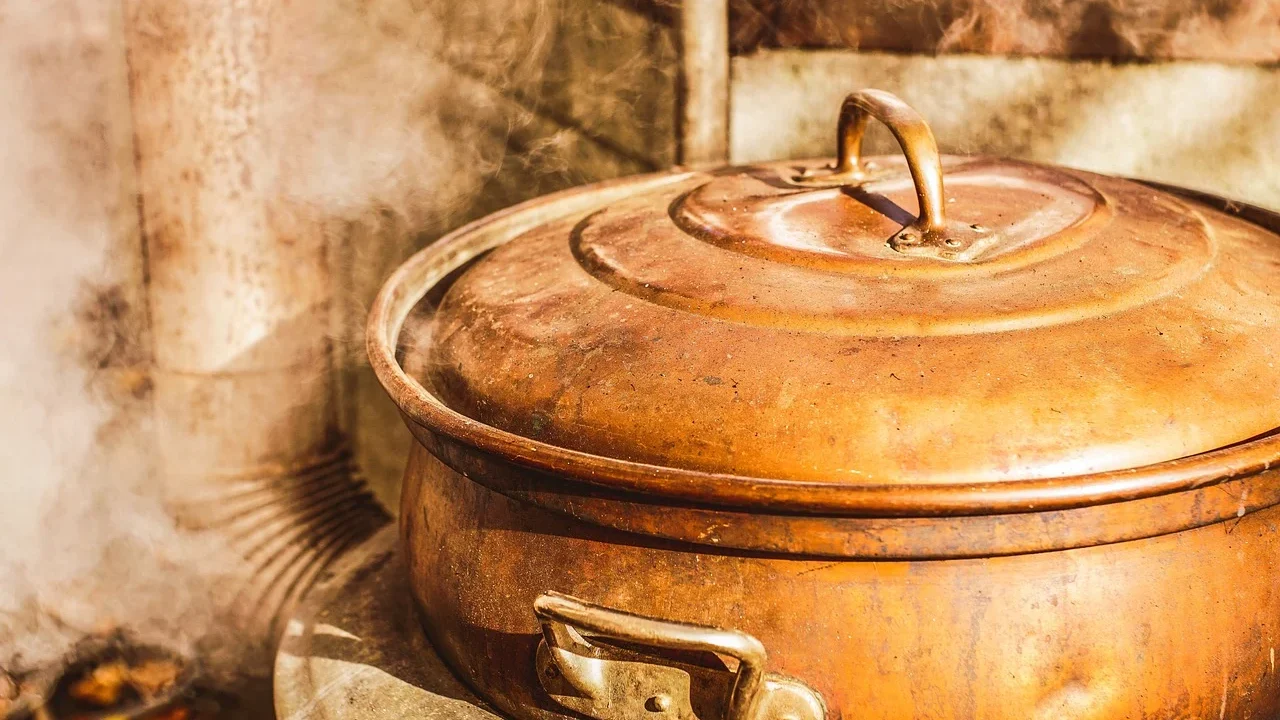
There are several telltale signs that your water heater is struggling with sediment buildup. One of the most common is a popping or rumbling noise coming from the tank. This sound is caused by steam bubbles escaping from under the layer of sediment, much like the sound of a boiling pot of thick soup. If you hear these noises, it is a clear indication that the heating process is being obstructed.
Another sign is a noticeable decrease in the amount of hot water available. If your morning shower turns cold much faster than it used to, sediment may be taking up significant space in the tank, reducing its overall capacity. Additionally, if you notice discolored water or a metallic smell when running hot water, it is time to inspect and flush the system to prevent further internal corrosion.
Benefits of Regular Maintenance
The primary benefit of flushing your water heater is the extension of its lifespan. Most water heaters are designed to last 8 to 12 years, but without proper maintenance, they may fail in as little as 5 or 6 years. By removing the corrosive sediment, you are directly protecting the integrity of the tank and its components, ensuring you get the full value out of your investment.
Furthermore, a clean water heater is an efficient water heater. When the heating elements or burners can transfer heat directly to the water without interference, the unit runs for shorter periods. This efficiency translates to lower monthly utility bills. Regular flushing also ensures consistent water temperature and pressure, providing a better experience for everyone in the household.
Essential Tools and Safety Precautions

Gathering the Necessary Supplies
Before you begin the process of how to flush a water heater, you need to have the right tools on hand. The most important item is a standard garden hose. Ensure the hose is long enough to reach from the water heater’s drain valve to a suitable discharge location, such as a floor drain, a driveway, or a sump pump pit. If you plan to drain the water into a bathtub or sink, make sure the hose is secure to prevent splashing.
You may also need a flat-head screwdriver or a specific wrench to open the drain valve, as some valves have a slot instead of a handle. A pair of work gloves and safety glasses are recommended to protect yourself from hot water splashes. Having a bucket nearby is also helpful for catching any small drips or for testing the water clarity during the final stages of the flush.
Prioritizing Personal Safety
Safety should always be your top priority when working with plumbing and heating systems. The water inside the tank can be scalding hot, reaching temperatures over 120 degrees Fahrenheit. Always wear closed-toe shoes and long sleeves to protect your skin. If possible, plan to flush the heater after a period of low use, or turn the temperature setting down several hours in advance to allow the water to cool slightly.
Be aware of the surroundings. Ensure the area around the water heater is clear of clutter to prevent tripping hazards. If your water heater is located in a tight space or a basement, ensure there is adequate lighting. Remember that you will be dealing with both water and either electricity or gas, so proceed with caution and follow all manufacturer instructions regarding shut-off procedures.
Identifying Your Water Heater Type
It is crucial to know whether you have a gas or electric water heater, as the shutdown procedures differ. A gas water heater will have a gas supply line leading to a control valve with a pilot light setting. You will also see a vent pipe at the top to carry away combustion gases. Identifying these components ensures you can safely disable the heating source before you begin draining the tank.
An electric water heater will have a heavy-duty electrical cable (conduit) entering the top or side of the unit. There will be no vent pipe or gas line. For electric models, you must locate the correct circuit breaker in your home’s electrical panel. Operating an electric water heater without water in the tank (dry firing) will instantly destroy the heating elements, so identifying the power source is a critical preparatory step.
Preparing Your Water Heater for the Flush

Turning Off the Power or Gas Supply
The first active step in how to flush a water heater is to disable the heating source. For a gas water heater, turn the knob on the gas control valve to the Pilot setting. This keeps the pilot light on but prevents the main burner from igniting while the tank is empty. If you prefer to be extra cautious, you can turn the gas valve to the Off position, though you will need to relight the pilot later.
For an electric water heater, go to your home’s main electrical panel and flip the breaker dedicated to the water heater to the Off position. It is not enough to simply turn down the thermostat on the unit; the power must be completely disconnected. This prevents the elements from turning on while the tank is draining, which would cause them to burn out in seconds.
Shutting Down the Cold Water Inlet
Once the power or gas is handled, you must stop more water from entering the tank. Locate the cold water supply pipe leading into the top of the water heater. There should be a shut-off valve on this pipe. This valve is typically a lever-style ball valve or a round gate valve. Turn the handle until the water flow is completely stopped.
If the valve is old and difficult to turn, do not force it excessively, as it could break. If the local shut-off valve does not work, you may need to temporarily turn off the main water supply to the entire house. Stopping the inlet flow is necessary so that you can empty the tank completely without it constantly refilling.
Allowing the Water to Cool Down
While you can technically flush a hot tank, it is much safer to let the water cool down first. If you have the time, turn off the heating source a few hours before you plan to start. This reduces the risk of thermal shock to your pipes and prevents accidental burns if the hose were to leak or disconnect during the drainage process.
If you cannot wait for the water to cool naturally, you can speed up the process by running a hot water faucet elsewhere in the house (like a bathtub) for several minutes after the heating source is off. This replaces some of the hot water in the tank with cold water. However, the safest method remains letting the tank sit idle until the temperature is manageable.
Connecting the Drainage System
Locating the Drain Valve
The drain valve is located near the bottom of the water heater tank. It usually looks like a small spigot or a plastic nozzle with a threaded end. In some older or high-end models, the valve might be made of brass, while many modern residential units use plastic valves. Take a moment to inspect the valve for any signs of existing leaks or corrosion before you attempt to open it.
If the valve is covered by a small removable panel, take the panel off to gain better access. Ensure you have enough space to screw on a garden hose. If the valve is positioned very close to the floor, you might need a short hose adapter or a specific type of low-profile hose to make a secure connection without kinking the line.
Attaching the Garden Hose
Take the female end of your garden hose and screw it onto the threads of the drain valve. Ensure the connection is tight to prevent water from leaking onto your floor. You can use a pair of pliers to give it an extra quarter-turn if necessary, but be careful not to over-tighten, especially if the valve is made of plastic, as the threads can easily strip.
Before proceeding, check the rubber washer inside the hose end. A missing or damaged washer is the most common cause of leaks during a flush. If you are working in a finished basement, you might want to wrap a small towel around the connection as an extra precaution against minor drips.
Positioning the Hose for Safe Discharge
Run the other end of the hose to a location where it can safely discharge a large volume of water. A floor drain is the ideal choice. If you are leading the hose outside, ensure the water will not damage your landscaping or flow into a neighbor’s yard. Keep in mind that the water may still be quite warm, so avoid discharging it onto delicate plants or grass.
If you must discharge the water into a sink or tub that is higher than the drain valve, remember that the water will only flow as long as there is enough pressure. Once the pressure drops, you may need to use a small utility pump to remove the remaining water. For most standard setups, keeping the hose as flat as possible on the floor will ensure a steady gravity-fed flow.
Executing the Flushing Process
Opening the Pressure Relief Valve
To allow the water to flow out of the tank, air must be able to enter. The easiest way to do this is by opening the Temperature and Pressure (T&P) Relief Valve. This valve is usually located near the top of the tank and has a small metal lever. Lift the lever to the open position. You should hear a hissing sound as air enters the tank, breaking the vacuum and allowing the water to drain freely.
Be careful when touching the T&P valve, as it is designed to release hot water if the tank is over-pressurized. If the valve is old, it may not close properly once opened. Some plumbers prefer to open a hot water faucet on the highest floor of the house instead of using the T&P valve to avoid the risk of a faulty valve stuck in the open position.
Opening the Drain Valve
With the hose connected and the air source open, slowly turn the handle or slot on the drain valve to the open position. Water should begin to flow through the hose. Initially, the water might come out very slowly or appear very cloudy. This is normal, as the heaviest sediment is located right at the level of the drain valve.
Watch the discharge end of the hose. You may see small white flakes (calcium deposits) or brown, sandy material exiting the hose. If nothing comes out at all, the valve might be completely blocked by sediment. In this case, you may need to carefully poke a stiff wire into the valve opening or use a vacuum to clear the blockage, though this requires extreme caution.
Monitoring the Water Clarity
Allow the tank to drain until the water running out of the hose appears clear. You can periodically catch a sample of the water in a clear glass or white bucket to check for clarity. If the water is still cloudy or contains visible particles, the flush is not yet complete. The goal of learning how to flush a water heater is to remove as much of this debris as possible.
Depending on when the heater was last maintained, this process could take anywhere from 10 to 30 minutes. If the tank is very large or the sediment buildup is severe, it may take longer. Do not rush this step; ensuring the water is crystal clear is the only way to know that the internal environment of the tank has been properly cleaned.
Removing Stubborn Sediment Buildup

The Power Flushing Technique
Sometimes, simply draining the tank is not enough to remove all the sediment. Heavy deposits can remain stuck to the bottom. To combat this, you can use a technique called power flushing. While the drain valve is still open and the hose is discharging, briefly turn the cold water inlet valve back on for about 30 seconds, then turn it off again.
This sudden burst of pressurized cold water creates turbulence at the bottom of the tank, stirring up the settled sediment and forcing it toward the drain valve. Repeat this “on-and-off” cycle several times. You will likely see a fresh surge of cloudy water exiting the hose each time you do this. This is a highly effective way to ensure a deeper clean.
Repeating the Cycle for Best Results
If your water heater has not been flushed in several years, one round of power flushing might not be sufficient. Continue the cycle of stirring up the sediment and letting it drain until the water remains clear even after the cold water bursts. Patience is key here; it is better to spend an extra ten minutes now than to have to repeat the entire process a month later.
Using a clear plastic tube or a dedicated flushing tool can also help you see exactly what is coming out of the tank. If you find that the sediment is particularly stubborn, you might need to repeat the entire draining and refilling process twice. This ensures that the bottom of the tank is as clean as possible, maximizing the efficiency of the heating elements.
Using Specialized Cleaning Agents
In areas with extremely hard water, mineral scale can become “baked” onto the heating elements and the tank walls. In such cases, a simple water flush might not remove the hardened scale. There are food-grade descaling agents available that can be introduced into the tank to dissolve these deposits. However, this is usually an advanced step.
If you choose to use a descaler, ensure it is compatible with your specific water heater model and follow the manufacturer’s instructions exactly. You will need to thoroughly rinse the tank several times after using any chemical agent to ensure no residue remains in your home’s hot water supply. For most homes, a thorough manual power flush is sufficient.
Restarting the Water Heater Safely
Closing the Valves and Removing the Hose
Once the water is running perfectly clear, it is time to put everything back together. First, close the drain valve completely. Once it is shut, you can safely unscrew the garden hose. Be prepared for a small amount of water to leak out of the hose as you disconnect it; have a towel or bucket ready to catch these drips.
Next, go back to the top of the unit and close the T&P relief valve by flipping the lever back down. If you opened a hot water faucet upstairs instead, leave it open for now. Closing the drain valve is the most critical part of this step to prevent a massive mess once you turn the water supply back on.
Refilling the Tank Completely
Turn the cold water inlet valve back to the On position. You will hear water rushing into the tank. This is the stage where many people make a mistake: you must completely refill the tank before restoring power or gas. If you have a hot water faucet open elsewhere in the house, you will hear air sputtering out of the tap.
Wait until a steady, strong stream of water flows from that open faucet without any air bubbles or “coughing.” This confirms that the tank is full and all air has been purged from the system. Only when the tank is 100% full of water is it safe to proceed to the next step. Draining a tank and then turning on the heat while it is empty is the fastest way to ruin a water heater.
Restoring Power or Relighting the Pilot
For an electric water heater, go back to the electrical panel and flip the circuit breaker to the On position. You may hear a slight hum as the elements begin to heat the cold water. For a gas water heater, turn the control knob from Pilot back to the On position. If you turned the gas completely off, follow the instructions on the tank’s label to relight the pilot light safely.
Adjust the thermostat to your desired temperature, typically around 120 degrees Fahrenheit. It will take some time for the full tank of cold water to reach the set temperature. Depending on the size of your unit, you should have hot water again in about 30 to 60 minutes. Check the area around the drain valve one last time to ensure there are no slow leaks.
Post-Flush Inspection and Maintenance Tips
Checking for Leaks and Drips
After the system is back under pressure and heating up, perform a thorough inspection. Check the drain valve and the T&P valve for any signs of moisture. Sometimes, the internal seals of these valves can be disturbed during the flushing process, leading to a slow drip. If you notice a leak, try tightening the valve slightly or opening and closing it quickly to reseat the seal.
If a leak persists, the valve may need to be replaced. This is a common occurrence with older plastic drain valves. Fortunately, replacing a drain valve is a relatively simple and inexpensive repair. Catching these small issues immediately prevents them from turning into larger, more expensive water damage problems in the future.
Setting the Ideal Temperature
While you are performing maintenance, it is a good time to check your temperature settings. Many manufacturers ship water heaters with a default setting of 140 degrees Fahrenheit. However, for most households, 120 degrees is sufficient. Lowering the temperature reduces the risk of scalding and saves a significant amount of energy.
Lower temperatures also slow down the rate of mineral accumulation and sediment buildup. Since the chemical reaction that causes scale happens faster at higher temperatures, keeping your heater at a moderate setting is a proactive way to reduce the frequency of necessary flushes. Use a kitchen thermometer at the nearest tap to verify the actual output temperature.
Establishing a Maintenance Schedule
The final step in how to flush a water heater is to ensure it happens regularly. Most experts recommend flushing your tank once a year. However, if you live in an area with very hard water, you might benefit from doing it every six months. Mark your calendar or set a reminder on your phone so you do not forget this essential task.
Consistent maintenance is far easier than trying to fix a neglected system. In addition to flushing, you should also check the anode rod every few years. The anode rod is a sacrificial component that prevents the tank from rusting. By combining a regular flush with anode rod inspections, you can potentially double the lifespan of your water heater, saving you thousands of dollars in replacement costs.
Conclusion
Learning how to flush a water heater is one of the most effective ways to maintain your home’s infrastructure. This systematic process removes the harmful sediment that compromises efficiency and damages the internal components of the tank. By following the steps outlined—from safely shutting down the power to the final power flush—you ensure that your water heater operates reliably for many years to reach its maximum potential lifespan.
Remember that consistency is the key to success. A yearly maintenance routine will prevent the “popping” noises and cold showers that signal a system in distress. Not only does this practice provide peace of mind, but it also reflects directly on your monthly utility savings. A clean, sediment-free tank heats water faster and stays hot longer, making your home more energy-efficient and comfortable for your entire family.
To summarize, always prioritize safety by turning off power or gas, ensure the tank is completely full before restarting, and do not be afraid to use the power flushing technique to get rid of stubborn debris. With these practical tips and a bit of time, you can handle this essential DIY task with confidence, keeping your home running smoothly throughout 2026.