Finding a pool of water at the base of your appliance can be a stressful experience. A water heater leaking from bottom is a common household issue that varies in severity from a simple loose connection to a complete tank failure. Identifying the source of the leak quickly is essential to prevent extensive water damage to your flooring and surrounding structures.
Most homeowners assume that a leak at the bottom means the entire unit needs to be replaced. While this is sometimes true, many leaks originate from specific components that are easily repairable or replaceable. Understanding the mechanics of your water heater will help you communicate better with a plumber or even handle the repair yourself if you are handy with tools.
In this guide, we will walk through the systematic process of diagnosing a water heater leaking from bottom. We will explore the most frequent culprits, provide step-by-step instructions for troubleshooting, and offer maintenance tips to ensure your unit remains efficient for years to come. By the end of this article, you will know exactly how to handle this plumbing emergency.
Initial Assessment of the Leak Source
Confirming the Leak Location
Before jumping to conclusions, you must verify where the water is actually coming from. Sometimes, water can leak from the top of the heater and run down the sides, making it look like a bottom leak. Use a flashlight to inspect the top connections, the cold water inlet, and the hot water outlet pipes carefully.
If the top of the tank is completely dry, then the issue is likely localized to the bottom half. Wipe away the existing puddle and place paper towels around the base. Watch closely to see where the moisture first appears. This simple step can save you hours of unnecessary work by pinpointing the exact component that is failing.
Differentiating Between Condensation and Leaks
It is possible that the water you see is not a leak at all but rather condensation. This often happens when a large amount of cold water enters a hot tank, or if the unit is located in a humid basement. Condensation is usually a thin film of water rather than a steady drip or a puddle.
To test for this, wipe the area dry and monitor it for a few hours without using hot water. If the water does not return, or only returns when the unit is working hard to heat a full tank of cold water, you may simply need to improve the ventilation in the room or insulate the pipes.
Checking the Drain Valve
The drain valve is located near the bottom of the tank and is used for flushing the unit. Over time, the internal seals can degrade, or sediment can prevent it from closing completely. This results in a slow but persistent drip that pools at the bottom of the heater.
Check the nozzle of the drain valve for moisture. If you see water dripping from the opening, the valve might just be loose or dirty. If water is seeping from the threads where the valve enters the tank, the seal itself may have failed. This is one of the most common causes of a water heater leaking from bottom.
Baca Juga: No Hot Water in House? Causes and Fixes for 2026
Troubleshooting the Temperature and Pressure Relief Valve
Understanding the T&P Valve Function
The Temperature and Pressure (T&P) relief valve is a critical safety component designed to release water if the internal pressure or temperature becomes too high. It usually has a discharge pipe that runs down the side of the tank toward the floor. If this valve is triggered, water will exit the pipe and pool at the bottom.
If you see water coming from the discharge pipe, it means the valve is doing its job or it has become faulty. A valve that triggers frequently might indicate that your thermostat is set too high or that your home has excessive water pressure. However, a faulty valve can also leak if it gets stuck in a slightly open position.
Testing the Valve for Failure
You can manually test the T&P valve by lifting the small lever on top of it. This should release a burst of water into the discharge pipe. When you let go, the flow should stop immediately. If the valve continues to drip after you have closed the lever, it is likely defective and needs replacement.
Be extremely careful when performing this test, as the water released will be scalding hot. Always ensure the discharge pipe is securely attached and aimed toward a safe area or a floor drain before lifting the lever. If no water comes out at all, the valve is clogged and must be replaced immediately for safety reasons.
Replacing a Faulty T&P Valve
Replacing this valve is a relatively straightforward task for a DIY enthusiast. You will need to turn off the power or gas, shut off the water supply, and drain the tank until the water level is below the valve. Once the tank is partially empty, you can unscrew the old valve using a pipe wrench.
When installing the new valve, apply teflon tape to the threads to ensure a watertight seal. Screw it in firmly, reattach the discharge pipe, and refill the tank before turning the power back on. Always check for leaks around the new connection after the tank has reached its full operating temperature.
Baca Juga: Expert 24 Hour Water Heater Repair Services 2026
Addressing Drain Valve Leaks and Maintenance
Tightening a Loose Drain Valve
Sometimes, the solution to a water heater leaking from bottom is as simple as tightening the drain valve. These valves are often made of plastic or brass and can loosen over time due to thermal expansion and contraction. Use a wrench to gently turn the valve clockwise to see if it tightens.
Do not use excessive force, especially if the valve is made of plastic, as you could crack the housing or strip the threads. If tightening does not stop the leak, the internal washer may be damaged or there may be sediment buildup preventing a proper seal.
Flushing Sediment to Stop Drips
Sediment like calcium and magnesium can settle at the bottom of the tank and get caught in the drain valve when you try to close it. This prevents the valve from seating correctly. To fix this, attach a garden hose to the valve and run the other end to a drain.
Open the valve for a few seconds to let a high-pressure stream of water flush out any debris. Close the valve and check if the leaking stops. This systematic flushing not only fixes minor leaks but also improves the energy efficiency of your heater by removing the insulating layer of sediment at the bottom.
Installing a Brass Replacement Valve
If the original plastic drain valve is cracked or permanently leaking, it is highly recommended to replace it with a high-quality brass drain valve. Brass is much more durable and resistant to the high temperatures and pressures found inside a water heater. This upgrade can prevent future leaks at the bottom of the unit.
The replacement process involves draining the tank completely. Once empty, unscrew the old valve and clean the threads on the tank. Apply pipe sealant or teflon tape to the new brass valve and install it securely. This is a permanent fix that provides better reliability than the factory-installed plastic versions.
Baca Juga: Hot Water Tank Replacement Guide for 2026
Internal Tank Corrosion and Structural Failure

Signs of an Internal Tank Leak
If you have checked the valves and they are dry, but water is still seeping from the bottom jacket of the heater, the internal tank itself may be leaking. This is usually caused by corrosion eating through the steel walls of the tank. One clear sign of this is seeing rusty or discolored water in the puddle.
Internal leaks are often hidden behind the outer insulation and metal casing. You might see water dripping from the very bottom rim of the heater or through the combustion chamber (in gas models). Unfortunately, if the internal tank is breached, there is no way to repair it, and the entire unit must be replaced.
The Role of the Anode Rod
Every tank water heater contains a sacrificial anode rod. Its job is to attract corrosive elements in the water so that the rod corrodes instead of the steel tank. If the anode rod is completely depleted, the corrosive elements will begin to attack the tank walls, leading to a water heater leaking from bottom.
Homeowners should check the anode rod every 2 to 3 years. If the rod is thin or the wire core is visible, it should be replaced. Regular replacement of the anode rod is the single most effective way to prevent the structural failure that leads to bottom leaks and premature tank replacement.
Why Corrosion Happens Faster
Several factors can accelerate tank corrosion. Hard water with high mineral content is particularly aggressive. Additionally, if your water pressure is consistently above 80 PSI, it puts constant stress on the tank welds. Using a water softener can help, but be aware that softened water can actually make the anode rod deplete faster, requiring more frequent inspections.
Another common cause is galvanic corrosion, which occurs when two different metals (like copper pipes and steel tanks) are joined without a proper dielectric union. Ensuring your plumbing connections are installed correctly can significantly extend the life of your water heater and prevent leaks at the base.
Baca Juga: How to Flush a Water Heater: A Step-by-Step Guide 2026
Safety Steps When You Discover a Leak
Disconnecting the Power Supply
Safety should be your first priority when dealing with a water heater leaking from bottom. Water and electricity are a dangerous combination. If you have an electric water heater, go to your circuit breaker panel and turn off the power to the unit immediately. This prevents the risk of electric shock and protects the heating elements from burning out if the tank empties.
For gas water heaters, turn the gas control valve to the “Off” or “Pilot” position. This prevents the burner from igniting while you are working on the unit or if the water level drops too low. Never attempt to repair a leaking heater while the power or gas is still active.
Shutting Off the Water Supply
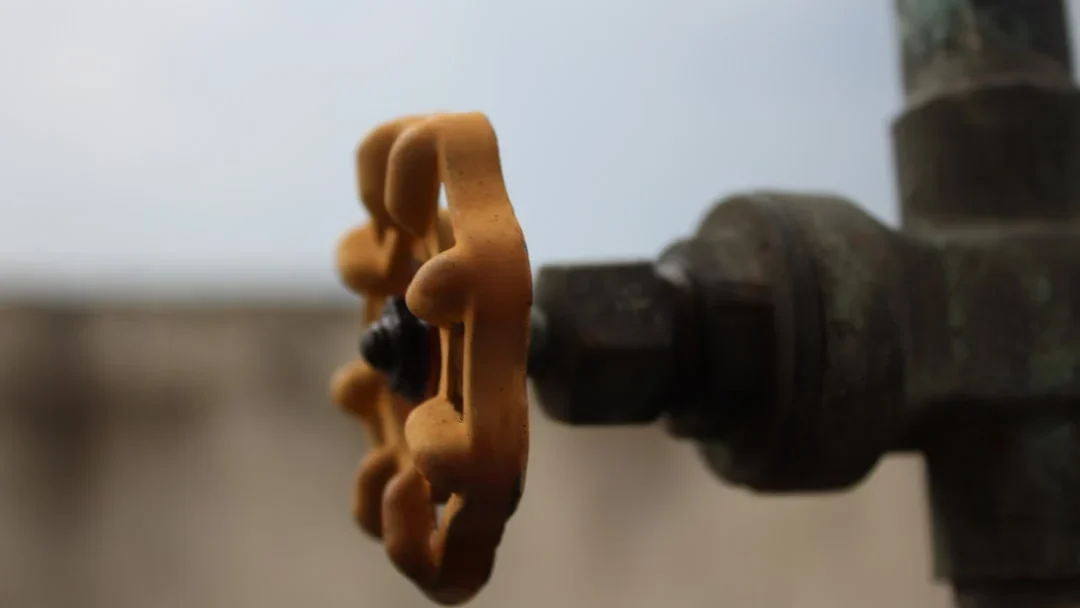
To stop the leak from getting worse, you need to stop the flow of water into the tank. Locate the cold water shut-off valve, which is usually found on the pipe entering the top of the heater. Turn the handle clockwise to close it. If the valve is a lever-style ball valve, turn it 90 degrees so it is perpendicular to the pipe.
If the shut-off valve on the heater is stuck or leaking itself, you may need to turn off the main water supply to the entire house. Stopping the incoming pressure will significantly slow down or stop the leak at the bottom, giving you time to assess the situation without causing more floor damage.
Draining the Tank Safely
If the leak is significant, you should drain the tank to remove the weight and pressure. Attach a hose to the drain valve and lead it to a floor drain or outside. Open a hot water faucet somewhere in the house to allow air into the system, which helps the tank drain faster.
Keep in mind that the water coming out will be very hot. Use heat-resistant gloves and ensure the hose is securely fastened. Draining the tank is a necessary step whether you are replacing a valve or preparing the unit for a full replacement by a professional plumber.
Baca Juga: Best Affiliate Tracking Software for Merchants 2026
Professional Help vs. DIY Repair
When to Call a Professional Plumber
While some repairs like replacing a valve are manageable for a DIYer, other situations require a professional. If you are uncomfortable working with gas lines or high-voltage electricity, it is always safer to call a licensed plumber. Gas leaks or improper wiring can lead to catastrophic results.
Additionally, if the leak is coming from the internal tank, a professional can confirm the diagnosis and provide a quote for a new installation. They have the tools to safely remove the old unit and ensure the new one is installed according to local building codes, which often include requirements for expansion tanks and proper venting.
The Benefits of Professional Diagnosis
A professional plumber can use specialized tools like pressure gauges and thermal cameras to find hidden leaks. They can also check your home’s overall water pressure to see if an underlying issue is causing your water heater to fail prematurely. Sometimes, what looks like a bottom leak is actually a complicated issue with the internal flue or venting system.
Hiring a pro also gives you peace of mind with warranties on labor and parts. If a DIY repair fails, you are responsible for the damage. If a professional installation has an issue, the company is usually obligated to fix it at no additional cost to you.
Cost Considerations for Repairs
The cost of fixing a water heater leaking from bottom varies. A simple valve replacement might cost between $100 and $300 including labor. However, if the tank is corroded, a full replacement can range from $800 to $2,500 depending on the size and type of the unit (standard vs. tankless).
Consider the age of your water heater when deciding whether to repair or replace. Most tank heaters last 8 to 12 years. If your unit is over 10 years old and has a leak, investing in a repair may only be a temporary fix. In such cases, replacing the unit is often the more cost-effective long-term solution.
Baca Juga: Affiliate Marketing vs Dropshipping: Best Guide for 2026
Preventive Maintenance to Avoid Future Leaks
Annual Tank Flushing Routine
The best way to prevent a water heater leaking from bottom is to perform an annual flush. This process removes the sediment that causes the bottom of the tank to overheat and corrode. It also keeps the drain valve clear of debris, ensuring it can close tightly when needed.
To flush the tank, simply turn off the heater, attach a hose to the drain valve, and let the water run until it comes out clear. This simple 15-minute task can add years to the lifespan of your appliance and prevent the common causes of bottom leaks mentioned earlier.
Monitoring Water Pressure and Temperature
High water pressure is a silent killer of water heaters. If your home’s pressure is above 80 PSI, install a pressure reducing valve (PRV) to protect your plumbing. Excessive pressure causes the tank to expand and contract violently, leading to cracks in the glass lining and eventual leaks.
Similarly, keeping your temperature at the recommended 120 degrees Fahrenheit (49 degrees Celsius) reduces the rate of mineral buildup and internal pressure. Higher temperatures accelerate corrosion and put unnecessary strain on the T&P relief valve, increasing the likelihood of a leak.
Installing a Leak Detection Alarm
For added peace of mind, consider installing a smart leak detector near the base of your water heater. These small, battery-operated devices sit on the floor and sound a loud alarm the moment they detect moisture. Some models can even send an alert to your smartphone.
Early detection is the key to preventing a small drip from becoming a flooded basement. By catching a water heater leaking from bottom in its earliest stages, you can address the problem before it causes structural damage or requires an emergency after-hours plumbing call.
Baca Juga: The Ultimate Cost Per Action Marketing Guide 2026
Conclusion
A water heater leaking from bottom is an issue that requires a systematic approach to diagnose and fix. By checking the drain valve, the T&P relief valve, and the internal tank for corrosion, you can determine whether you are facing a minor repair or a full replacement. Remember that safety is paramount; always turn off the power and water before attempting any inspections or repairs.
Regular maintenance, such as flushing the tank annually and replacing the anode rod, is the most effective way to prevent leaks and extend the life of your unit. While some tasks are suitable for a DIY approach, do not hesitate to contact a professional if the leak involves the internal tank or if you are uncomfortable with gas and electrical systems.
Ultimately, being proactive about your water heater’s health will save you money and prevent the headache of unexpected water damage. Keep these tips in mind, and you will be well-prepared to handle any drips or puddles that appear at the base of your appliance.
FAQ
Yes, it should be treated as an emergency. Even a small leak can quickly escalate into a major flood, causing thousands of dollars in damage to your home. Furthermore, a leak can indicate high internal pressure, which poses a safety risk. You should immediately shut off the power and water to the unit until the source is identified.
It is not recommended. If the leak is caused by high pressure or a failing tank, using the heater could worsen the structural damage or lead to a tank burst. Additionally, if you have turned off the power or gas for safety, the water in the tank will eventually turn cold anyway. It is best to keep the unit off until it is repaired.
If water is leaking from the bottom of the outer shell and you have confirmed that the T&P valve and the drain valve are dry, the internal tank is likely cracked or corroded. Another sign is seeing rusty water pooling at the base. If the leak persists even after the valves are tightened or replaced, a tank failure is the most probable cause.
The part itself is relatively inexpensive, usually costing between $15 and $35 at a local hardware store. If you hire a plumber to do the work, the total cost typically ranges from $150 to $300, depending on your location and the complexity of the plumbing. It is a worthwhile investment to ensure the safety of your home.
A water softener can help by reducing the mineral buildup that causes sediment-related issues. However, softened water can be more corrosive to the anode rod. If you use a water softener, you must check your anode rod more frequently—at least once every two years—to ensure the tank remains protected from corrosion.