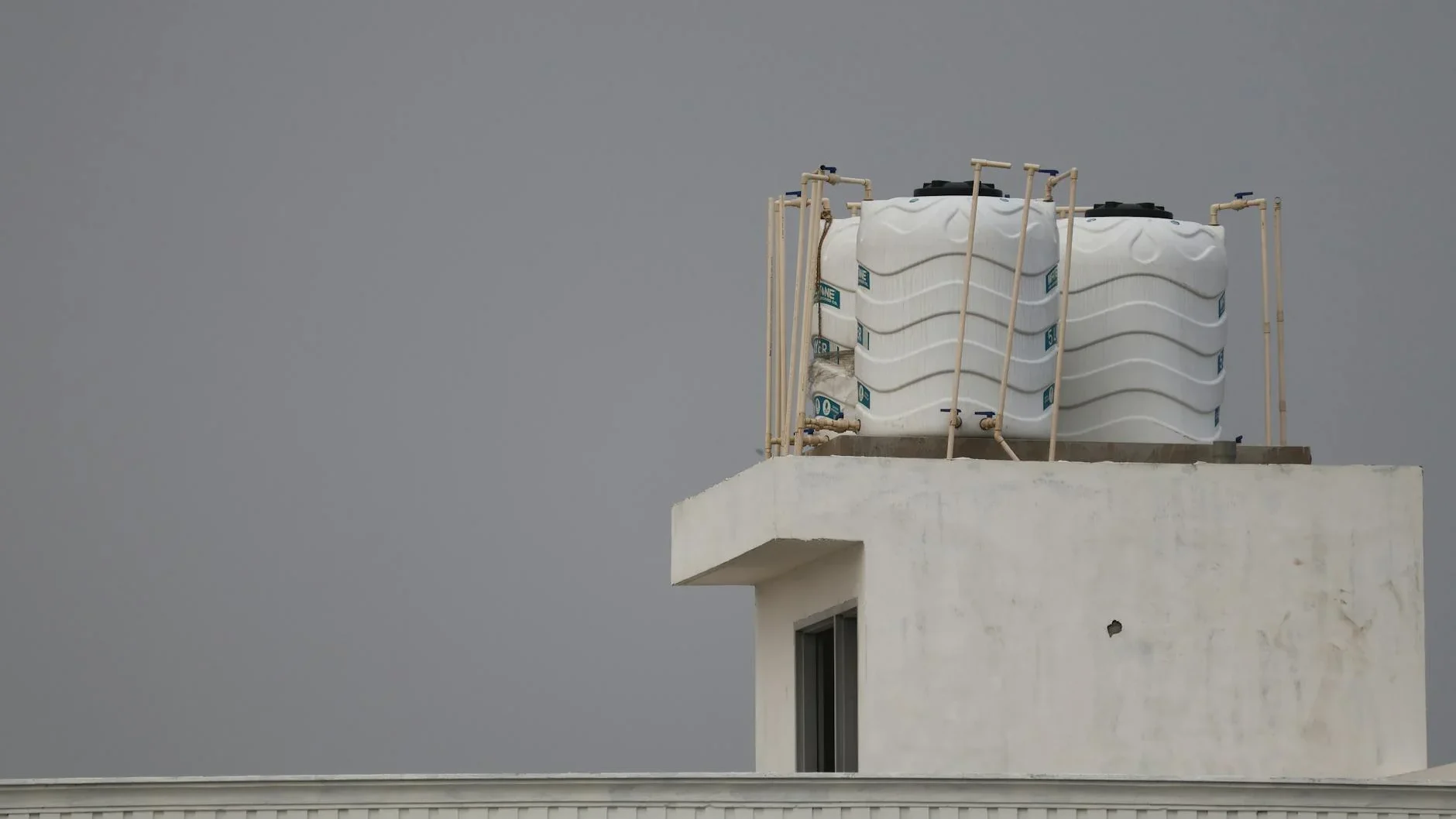
How to Flush a Water Heater: A Step-by-Step Guide 2026

How to Flush a Water Heater: A Step-by-Step Guide 2026

Maintaining a home involves several routine tasks that often go unnoticed until a problem arises. One of the most critical yet frequently overlooked maintenance chores is learning how to flush a water heater. Over time, minerals like calcium and magnesium, along with sand and grit from the municipal water supply, settle at the bottom of your tank. This accumulation, known as sediment, can significantly reduce the efficiency of your unit and lead to premature failure.

When sediment builds up, it creates a barrier between the heating element and the water. For gas heaters, this means the burner has to work harder and stay on longer to heat the water through the layer of sludge, which can eventually damage the tank’s glass lining. For electric heaters, sediment can bury the lower heating element, causing it to burn out. By performing a regular flush, you ensure that your system runs smoothly, providing consistent hot water while keeping your energy bills in check.

This comprehensive guide will walk you through the systematic steps required to flush your water heater safely and effectively. Whether you are a seasoned DIY enthusiast or a first-time homeowner, following these clear instructions will help you protect one of your home’s most expensive appliances. Let us dive into the details of keeping your water heating system in peak condition for 2026 and beyond.

Understanding the Importance of Water Heater Maintenance
Water Heater Sediment
Foto oleh 165106 di Pixabay

Why Sediment is Your Water Heaters Enemy

Sediment acts as an unwanted insulator at the bottom of your tank. In gas-powered units, the burner is located underneath the tank. When a thick layer of mineral deposits settles there, the heat must first penetrate the sediment before it can reach the water. This leads to overheating of the tank bottom, which weakens the steel and can cause the internal protective lining to crack, eventually leading to a catastrophic leak.

In electric models, the situation is slightly different but equally problematic. The lower heating element is often submerged in the water near the bottom. If sediment builds up high enough to cover the element, it cannot dissipate heat into the water effectively. This causes the element to overheat and fail prematurely. Understanding these risks is the first step in realizing why knowing how to flush a water heater is a vital skill for every homeowner.

Signs Your Water Heater Needs a Flush

There are several telltale signs that your water heater is struggling with sediment buildup. One of the most common is a popping or rumbling noise coming from the tank. This sound is caused by steam bubbles escaping from under the layer of sediment, much like the sound of a boiling pot of thick soup. If you hear these noises, it is a clear indication that the heating process is being obstructed.

Another sign is a noticeable decrease in the amount of hot water available. If your morning shower turns cold much faster than it used to, sediment may be taking up significant space in the tank, reducing its overall capacity. Additionally, if you notice discolored water or a metallic smell when running hot water, it is time to inspect and flush the system to prevent further internal corrosion.

Benefits of Regular Maintenance

The primary benefit of flushing your water heater is the extension of its lifespan. Most water heaters are designed to last 8 to 12 years, but without proper maintenance, they may fail in as little as 5 or 6 years. By removing the corrosive sediment, you are directly protecting the integrity of the tank and its components, ensuring you get the full value out of your investment.

Furthermore, a clean water heater is an efficient water heater. When the heating elements or burners can transfer heat directly to the water without interference, the unit runs for shorter periods. This efficiency translates to lower monthly utility bills. Regular flushing also ensures consistent water temperature and pressure, providing a better experience for everyone in the household.

Essential Tools and Safety Precautions

Wrench Safety Glasses
Foto oleh Kindel Media di Pexels

Gathering the Necessary Supplies

Before you begin the process of how to flush a water heater, you need to have the right tools on hand. The most important item is a standard garden hose. Ensure the hose is long enough to reach from the water heater’s drain valve to a suitable discharge location, such as a floor drain, a driveway, or a sump pump pit. If you plan to drain the water into a bathtub or sink, make sure the hose is secure to prevent splashing.

You may also need a flat-head screwdriver or a specific wrench to open the drain valve, as some valves have a slot instead of a handle. A pair of work gloves and safety glasses are recommended to protect yourself from hot water splashes. Having a bucket nearby is also helpful for catching any small drips or for testing the water clarity during the final stages of the flush.

Prioritizing Personal Safety

Safety should always be your top priority when working with plumbing and heating systems. The water inside the tank can be scalding hot, reaching temperatures over 120 degrees Fahrenheit. Always wear closed-toe shoes and long sleeves to protect your skin. If possible, plan to flush the heater after a period of low use, or turn the temperature setting down several hours in advance to allow the water to cool slightly.

Be aware of the surroundings. Ensure the area around the water heater is clear of clutter to prevent tripping hazards. If your water heater is located in a tight space or a basement, ensure there is adequate lighting. Remember that you will be dealing with both water and either electricity or gas, so proceed with caution and follow all manufacturer instructions regarding shut-off procedures.

Identifying Your Water Heater Type

It is crucial to know whether you have a gas or electric water heater, as the shutdown procedures differ. A gas water heater will have a gas supply line leading to a control valve with a pilot light setting. You will also see a vent pipe at the top to carry away combustion gases. Identifying these components ensures you can safely disable the heating source before you begin draining the tank.

An electric water heater will have a heavy-duty electrical cable (conduit) entering the top or side of the unit. There will be no vent pipe or gas line. For electric models, you must locate the correct circuit breaker in your home’s electrical panel. Operating an electric water heater without water in the tank (dry firing) will instantly destroy the heating elements, so identifying the power source is a critical preparatory step.

Preparing Your Water Heater for the Flush

Gas Valve Circuit Breaker
Foto oleh Guille B di Unsplash

Turning Off the Power or Gas Supply

The first active step in how to flush a water heater is to disable the heating source. For a gas water heater, turn the knob on the gas control valve to the Pilot setting. This keeps the pilot light on but prevents the main burner from igniting while the tank is empty. If you prefer to be extra cautious, you can turn the gas valve to the Off position, though you will need to relight the pilot later.

For an electric water heater, go to your home’s main electrical panel and flip the breaker dedicated to the water heater to the Off position. It is not enough to simply turn down the thermostat on the unit; the power must be completely disconnected. This prevents the elements from turning on while the tank is draining, which would cause them to burn out in seconds.

Shutting Down the Cold Water Inlet

Once the power or gas is handled, you must stop more water from entering the tank. Locate the cold water supply pipe leading into the top of the water heater. There should be a shut-off valve on this pipe. This valve is typically a lever-style ball valve or a round gate valve. Turn the handle until the water flow is completely stopped.

If the valve is old and difficult to turn, do not force it excessively, as it could break. If the local shut-off valve does not work, you may need to temporarily turn off the main water supply to the entire house. Stopping the inlet flow is necessary so that you can empty the tank completely without it constantly refilling.

Allowing the Water to Cool Down

While you can technically flush a hot tank, it is much safer to let the water cool down first. If you have the time, turn off the heating source a few hours before you plan to start. This reduces the risk of thermal shock to your pipes and prevents accidental burns if the hose were to leak or disconnect during the drainage process.

If you cannot wait for the water to cool naturally, you can speed up the process by running a hot water faucet elsewhere in the house (like a bathtub) for several minutes after the heating source is off. This replaces some of the hot water in the tank with cold water. However, the safest method remains letting the tank sit idle until the temperature is manageable.

Connecting the Drainage System
Garden Hose Floor Drain
Foto oleh ClickerHappy di Pexels

Locating the Drain Valve

The drain valve is located near the bottom of the water heater tank. It usually looks like a small spigot or a plastic nozzle with a threaded end. In some older or high-end models, the valve might be made of brass, while many modern residential units use plastic valves. Take a moment to inspect the valve for any signs of existing leaks or corrosion before you attempt to open it.

If the valve is covered by a small removable panel, take the panel off to gain better access. Ensure you have enough space to screw on a garden hose. If the valve is positioned very close to the floor, you might need a short hose adapter or a specific type of low-profile hose to make a secure connection without kinking the line.

Attaching the Garden Hose

Take the female end of your garden hose and screw it onto the threads of the drain valve. Ensure the connection is tight to prevent water from leaking onto your floor. You can use a pair of pliers to give it an extra quarter-turn if necessary, but be careful not to over-tighten, especially if the valve is made of plastic, as the threads can easily strip.

Before proceeding, check the rubber washer inside the hose end. A missing or damaged washer is the most common cause of leaks during a flush. If you are working in a finished basement, you might want to wrap a small towel around the connection as an extra precaution against minor drips.

Positioning the Hose for Safe Discharge

Run the other end of the hose to a location where it can safely discharge a large volume of water. A floor drain is the ideal choice. If you are leading the hose outside, ensure the water will not damage your landscaping or flow into a neighbor’s yard. Keep in mind that the water may still be quite warm, so avoid discharging it onto delicate plants or grass.

If you must discharge the water into a sink or tub that is higher than the drain valve, remember that the water will only flow as long as there is enough pressure. Once the pressure drops, you may need to use a small utility pump to remove the remaining water. For most standard setups, keeping the hose as flat as possible on the floor will ensure a steady gravity-fed flow.

Executing the Flushing Process
Pressure Valve Water Flow
Foto oleh Pavel Danilyuk di Pexels

Opening the Pressure Relief Valve

To allow the water to flow out of the tank, air must be able to enter. The easiest way to do this is by opening the Temperature and Pressure (T&P) Relief Valve. This valve is usually located near the top of the tank and has a small metal lever. Lift the lever to the open position. You should hear a hissing sound as air enters the tank, breaking the vacuum and allowing the water to drain freely.

Be careful when touching the T&P valve, as it is designed to release hot water if the tank is over-pressurized. If the valve is old, it may not close properly once opened. Some plumbers prefer to open a hot water faucet on the highest floor of the house instead of using the T&P valve to avoid the risk of a faulty valve stuck in the open position.

Opening the Drain Valve

With the hose connected and the air source open, slowly turn the handle or slot on the drain valve to the open position. Water should begin to flow through the hose. Initially, the water might come out very slowly or appear very cloudy. This is normal, as the heaviest sediment is located right at the level of the drain valve.

Watch the discharge end of the hose. You may see small white flakes (calcium deposits) or brown, sandy material exiting the hose. If nothing comes out at all, the valve might be completely blocked by sediment. In this case, you may need to carefully poke a stiff wire into the valve opening or use a vacuum to clear the blockage, though this requires extreme caution.

Monitoring the Water Clarity

Allow the tank to drain until the water running out of the hose appears clear. You can periodically catch a sample of the water in a clear glass or white bucket to check for clarity. If the water is still cloudy or contains visible particles, the flush is not yet complete. The goal of learning how to flush a water heater is to remove as much of this debris as possible.

Depending on when the heater was last maintained, this process could take anywhere from 10 to 30 minutes. If the tank is very large or the sediment buildup is severe, it may take longer. Do not rush this step; ensuring the water is crystal clear is the only way to know that the internal environment of the tank has been properly cleaned.

Removing Stubborn Sediment Buildup

Cleaning Brush Bucket
Foto oleh Pavel Danilyuk di Pexels

The Power Flushing Technique

Sometimes, simply draining the tank is not enough to remove all the sediment. Heavy deposits can remain stuck to the bottom. To combat this, you can use a technique called power flushing. While the drain valve is still open and the hose is discharging, briefly turn the cold water inlet valve back on for about 30 seconds, then turn it off again.

This sudden burst of pressurized cold water creates turbulence at the bottom of the tank, stirring up the settled sediment and forcing it toward the drain valve. Repeat this “on-and-off” cycle several times. You will likely see a fresh surge of cloudy water exiting the hose each time you do this. This is a highly effective way to ensure a deeper clean.

Repeating the Cycle for Best Results

If your water heater has not been flushed in several years, one round of power flushing might not be sufficient. Continue the cycle of stirring up the sediment and letting it drain until the water remains clear even after the cold water bursts. Patience is key here; it is better to spend an extra ten minutes now than to have to repeat the entire process a month later.

Using a clear plastic tube or a dedicated flushing tool can also help you see exactly what is coming out of the tank. If you find that the sediment is particularly stubborn, you might need to repeat the entire draining and refilling process twice. This ensures that the bottom of the tank is as clean as possible, maximizing the efficiency of the heating elements.

Using Specialized Cleaning Agents

In areas with extremely hard water, mineral scale can become “baked” onto the heating elements and the tank walls. In such cases, a simple water flush might not remove the hardened scale. There are food-grade descaling agents available that can be introduced into the tank to dissolve these deposits. However, this is usually an advanced step.

If you choose to use a descaler, ensure it is compatible with your specific water heater model and follow the manufacturer’s instructions exactly. You will need to thoroughly rinse the tank several times after using any chemical agent to ensure no residue remains in your home’s hot water supply. For most homes, a thorough manual power flush is sufficient.

Restarting the Water Heater Safely
Closing the Valves and Removing the Hose

Once the water is running perfectly clear, it is time to put everything back together. First, close the drain valve completely. Once it is shut, you can safely unscrew the garden hose. Be prepared for a small amount of water to leak out of the hose as you disconnect it; have a towel or bucket ready to catch these drips.

Next, go back to the top of the unit and close the T&P relief valve by flipping the lever back down. If you opened a hot water faucet upstairs instead, leave it open for now. Closing the drain valve is the most critical part of this step to prevent a massive mess once you turn the water supply back on.

Refilling the Tank Completely

Turn the cold water inlet valve back to the On position. You will hear water rushing into the tank. This is the stage where many people make a mistake: you must completely refill the tank before restoring power or gas. If you have a hot water faucet open elsewhere in the house, you will hear air sputtering out of the tap.

Wait until a steady, strong stream of water flows from that open faucet without any air bubbles or “coughing.” This confirms that the tank is full and all air has been purged from the system. Only when the tank is 100% full of water is it safe to proceed to the next step. Draining a tank and then turning on the heat while it is empty is the fastest way to ruin a water heater.

Restoring Power or Relighting the Pilot

For an electric water heater, go back to the electrical panel and flip the circuit breaker to the On position. You may hear a slight hum as the elements begin to heat the cold water. For a gas water heater, turn the control knob from Pilot back to the On position. If you turned the gas completely off, follow the instructions on the tank’s label to relight the pilot light safely.

Adjust the thermostat to your desired temperature, typically around 120 degrees Fahrenheit. It will take some time for the full tank of cold water to reach the set temperature. Depending on the size of your unit, you should have hot water again in about 30 to 60 minutes. Check the area around the drain valve one last time to ensure there are no slow leaks.

Post-Flush Inspection and Maintenance Tips
Checking for Leaks and Drips

After the system is back under pressure and heating up, perform a thorough inspection. Check the drain valve and the T&P valve for any signs of moisture. Sometimes, the internal seals of these valves can be disturbed during the flushing process, leading to a slow drip. If you notice a leak, try tightening the valve slightly or opening and closing it quickly to reseat the seal.

If a leak persists, the valve may need to be replaced. This is a common occurrence with older plastic drain valves. Fortunately, replacing a drain valve is a relatively simple and inexpensive repair. Catching these small issues immediately prevents them from turning into larger, more expensive water damage problems in the future.

Setting the Ideal Temperature

While you are performing maintenance, it is a good time to check your temperature settings. Many manufacturers ship water heaters with a default setting of 140 degrees Fahrenheit. However, for most households, 120 degrees is sufficient. Lowering the temperature reduces the risk of scalding and saves a significant amount of energy.

Lower temperatures also slow down the rate of mineral accumulation and sediment buildup. Since the chemical reaction that causes scale happens faster at higher temperatures, keeping your heater at a moderate setting is a proactive way to reduce the frequency of necessary flushes. Use a kitchen thermometer at the nearest tap to verify the actual output temperature.

Establishing a Maintenance Schedule

The final step in how to flush a water heater is to ensure it happens regularly. Most experts recommend flushing your tank once a year. However, if you live in an area with very hard water, you might benefit from doing it every six months. Mark your calendar or set a reminder on your phone so you do not forget this essential task.

Consistent maintenance is far easier than trying to fix a neglected system. In addition to flushing, you should also check the anode rod every few years. The anode rod is a sacrificial component that prevents the tank from rusting. By combining a regular flush with anode rod inspections, you can potentially double the lifespan of your water heater, saving you thousands of dollars in replacement costs.

Conclusion

Learning how to flush a water heater is one of the most effective ways to maintain your home’s infrastructure. This systematic process removes the harmful sediment that compromises efficiency and damages the internal components of the tank. By following the steps outlined—from safely shutting down the power to the final power flush—you ensure that your water heater operates reliably for many years to reach its maximum potential lifespan.

Remember that consistency is the key to success. A yearly maintenance routine will prevent the “popping” noises and cold showers that signal a system in distress. Not only does this practice provide peace of mind, but it also reflects directly on your monthly utility savings. A clean, sediment-free tank heats water faster and stays hot longer, making your home more energy-efficient and comfortable for your entire family.

To summarize, always prioritize safety by turning off power or gas, ensure the tank is completely full before restarting, and do not be afraid to use the power flushing technique to get rid of stubborn debris. With these practical tips and a bit of time, you can handle this essential DIY task with confidence, keeping your home running smoothly throughout 2026.
Hot Water Tank Replacement Guide for 2026

Hot Water Tank Replacement Guide for 2026

Waking up to a cold shower is a frustrating experience that often signals the end of your water heater’s lifespan. A reliable hot water supply is essential for daily tasks like bathing, cleaning, and cooking, making a functioning tank a top priority for any household. When your system begins to fail, understanding the process of hot water tank replacement becomes crucial to avoid property damage and unnecessary stress.

Replacing a water heater is more than just a simple swap; it involves selecting the right technology, ensuring safety compliance, and managing the installation correctly. Whether you are dealing with a sudden leak or planning an upgrade for better energy efficiency, being informed helps you make the best decision for your home and budget. This guide provides a systematic approach to navigating the replacement process in 2026.

Signs You Need a Hot Water Tank Replacement

Rusty Water Old Water Heater
Foto oleh Marina Leonova di Pexels

Age of the Unit

Most traditional storage water heaters are designed to last between 8 and 12 years. If your unit is approaching or has exceeded a decade of service, it is wise to start planning for a replacement before a major failure occurs. Over time, the internal lining of the tank degrades, and the constant heating cycles weaken the metal structure.

You can check the age of your unit by looking at the manufacturer’s label for the serial number. Often, the first few digits represent the month and year of production. If you are unsure, a quick search of the brand and serial number online will usually provide the exact manufacturing date. Proactive replacement is often cheaper than dealing with an emergency water heater failure.

Rusty Water and Corrosion

If you notice reddish or brown-tinted water coming from your hot water taps, it is a strong indicator that the inside of your tank is rusting. Corrosion usually starts at the seams or the bottom of the tank where sediment collects. Once the metal begins to flake off into the water, the structural integrity of the tank is compromised, and a leak is likely imminent.

To confirm the source of the rust, run the cold water for a few minutes. If the cold water is clear but the hot water is discolored, the problem is definitely within the tank. In some cases, the sacrificial anode rod might be the only part that needs replacing, but if the tank walls are corroded, a full replacement is the only safe solution.

Unusual Noises

As water heaters age, sediment builds up at the bottom of the tank. When the burner or heating element activates, the sediment hardens and begins to move around, creating banging, popping, or rumbling sounds. These noises are not just annoying; they indicate that the unit is working harder than necessary to heat the water through a layer of sludge.

The extra strain caused by sediment buildup leads to metal fatigue and can eventually cause the tank to crack. While flushing the tank might help in the early stages, loud and persistent noises in an older unit usually mean the damage is already done. Replacing the unit will restore quiet operation and significantly improve heating speed.

Visible Leaks

A puddle of water around the base of your heater is the most obvious sign that something is wrong. While some leaks come from loose valves or connections that can be tightened, a leak from the tank itself is a terminal issue. Water expands when heated, and if there are microscopic cracks in the tank, they will eventually grow large enough to cause a flood.

Check the area around the temperature and pressure relief valve, as well as the inlet and outlet pipes. If the moisture is coming from the body of the tank, you must act quickly. A leaking tank can cause significant mold growth and structural damage to your home if left unaddressed for even a few days.

Choosing the Right Type of Water Heater

Hot Water Tank Replacement
Foto oleh Sunira Moses di Unsplash

Conventional Storage Tanks

Traditional storage tanks remain the most common choice for many homeowners due to their lower upfront cost and familiar design. These units keep a large volume of water heated at all times, ensuring that hot water is ready as soon as you turn on the tap. They are available in various sizes, typically ranging from 30 to 80 gallons.

The main drawback of storage tanks is standby heat loss, as the unit must periodically reheat the water even when it is not being used. However, modern tanks feature improved insulation that minimizes this loss. They are an excellent option for households with high simultaneous water demand, such as running a dishwasher and a shower at the same time.

Tankless Water Heaters

Tankless units, also known as on-demand water heaters, do not store water. Instead, they use high-powered burners or electric elements to heat water as it flows through the unit. This design eliminates standby heat loss and provides an endless supply of hot water, which is perfect for large families who frequently run out of hot water.

While the initial purchase price and installation costs for tankless systems are higher, they offer significant long-term energy savings. They also take up much less space, as they are typically wall-mounted. However, they may require upgrades to your home’s gas lines or electrical panel to handle the high energy demand during operation.

Heat Pump Models

Heat pump water heaters, or hybrid units, work by pulling heat from the surrounding air and transferring it to the water in the tank. This technology is incredibly efficient, often using 60 percent less energy than standard electric heaters. They are best suited for locations that stay relatively warm year-round, such as a garage or an unconditioned basement.

Because they extract heat from the air, these units also provide a cooling and dehumidifying effect to the room they are in. They have a higher initial cost but often qualify for energy rebates and tax credits, making them a financially savvy choice for environmentally conscious homeowners looking to reduce their carbon footprint.

Solar Water Heaters

Solar water heaters use roof-mounted collectors to absorb energy from the sun, which is then used to heat the water. These systems usually include a backup storage tank to ensure you have hot water on cloudy days or during periods of high demand. They are the most eco-friendly option available and can virtually eliminate water heating costs in sunny climates.

The installation of a solar system is complex and requires a significant investment. However, the long-term savings are unparalleled. Before choosing this option, it is important to evaluate your roof’s sun exposure and local building codes. Many regions offer substantial incentives to offset the high cost of solar technology.

Understanding Fuel Sources for Your New Tank

Gas Meter Electric Circuit
Foto oleh John Robertson di Pexels

Electric Water Heaters

Electric models are widely available and generally easier to install than gas units because they do not require venting. They use internal heating elements to warm the water. Many homeowners prefer electric units for their safety, as there is no risk of gas leaks or carbon monoxide exposure.

While the units themselves are often cheaper, electricity can be more expensive than natural gas in many regions, leading to higher monthly operating costs. If you are switching from gas to electric, you will need to ensure your electrical panel has a dedicated 240-volt circuit capable of handling the heater’s load.

Gas-Powered Units

Natural gas water heaters are a popular choice because they typically have a faster recovery rate than electric models. This means they can heat a full tank of water more quickly after it has been emptied. They are also generally cheaper to operate over the long term, depending on local utility rates.

Gas units require a dedicated venting system to safely exhaust combustion gases outside the home. During a replacement, it is vital to inspect the existing vent pipes to ensure they meet current safety standards. If your home does not already have a gas line, the cost of installing one can be a significant addition to the total project budget.

Propane Options

For homes in rural areas without access to a natural gas grid, propane is a viable alternative. Propane water heaters function almost identically to natural gas models but require a storage tank on the property. They offer the same fast heating benefits and can be very efficient.

When choosing propane, you must factor in the cost of fuel delivery and tank rental. Many manufacturers offer kits to convert natural gas heaters to propane, but it is always safer to purchase a unit specifically designed for propane use. This ensures optimal performance and adherence to safety regulations.

Cost Factors for Hot Water Tank Replacement

Money Calculator
Foto oleh Bru-nO di Pixabay

Unit Purchase Price

The cost of the water heater itself is the first major expense. Prices vary significantly based on the type, capacity, and energy efficiency rating. A standard electric storage tank might cost between $500 and $1,000, while a high-efficiency tankless or heat pump model can range from $1,500 to $3,000.

Investing in a unit with a longer warranty often pays off, as these models typically feature higher-quality components and better insulation. Always compare the EnergyGuide label on different models to estimate how much you will spend on utilities each year, as a cheaper unit might cost more in the long run.

Labor and Installation Fees

Professional installation is highly recommended to ensure the unit is safe and compliant with local codes. Labor costs usually range from $500 to $1,500, depending on the complexity of the job. Replacing a like-for-like unit is generally the most affordable option, while switching fuel sources or moving the unit’s location will increase the price.

Plumbers and HVAC technicians charge based on the time required and the materials used, such as new pipes, valves, and venting components. It is a good practice to get at least three quotes from licensed contractors to ensure you are getting a fair market rate for the work in your area.

Disposal of the Old Tank

Once the new unit is in place, the old, heavy tank must be removed and disposed of properly. Many professional installers include disposal in their quote, but some may charge an additional fee of $50 to $100. Because water heaters contain metal and sometimes hazardous insulation, they cannot simply be thrown in the trash.

Recycling centers often accept old water heaters, and some municipal waste programs offer special pickups for large appliances. If you are doing a DIY replacement, you will need to arrange transportation to a scrap yard or recycling facility. Proper disposal is essential for environmental protection and compliance with local waste laws.

Permit and Inspection Costs

In many jurisdictions, a plumbing permit is required for hot water tank replacement. These permits ensure that a city inspector reviews the work to verify it meets safety standards, particularly regarding gas connections and venting. Permit fees can range from $50 to $200 depending on your location.

While it may be tempting to skip the permit, doing so can cause issues when you try to sell your home or if you need to make an insurance claim related to the water heater. A professional plumber will usually handle the permit application process for you, ensuring that all legal requirements are met from the start.

Preparing for the Replacement Process

Hot Water Tank Replacement
Foto oleh Candid Flaneur di Pexels

Measuring the Space

Before purchasing a new unit, you must accurately measure the dimensions of the area where the current heater is located. Modern water heaters often have thicker insulation than older models, meaning a new tank with the same gallon capacity might be wider or taller than your existing one.

Ensure there is enough clearance for maintenance and proper airflow. If you are switching to a tankless model, identify a suitable wall space that allows for easy access to gas, water, and venting. Taking photos and notes of the current setup will help the sales associate or plumber recommend the best fit for your home.

Checking Local Building Codes

Building codes are updated frequently to improve home safety. Your new installation may require upgrades that were not necessary when the old unit was installed. Common requirements include the addition of an expansion tank, specific types of venting materials, or an earthquake strap in seismic zones.

Researching these codes ahead of time prevents surprises during the installation process. If you hire a professional, they should be well-versed in the current regulations. If you are attempting a DIY installation, consult your local building department to ensure your plan is compliant and safe.

Shutting Off Utilities

Safety is the most important part of the preparation. Before any work begins, you must turn off the power supply at the circuit breaker for electric models or close the gas shut-off valve for gas models. Additionally, the cold water supply valve leading to the tank must be closed tightly.

Once the utilities are off, it is a good idea to inform everyone in the household that the water will be unavailable. Open a hot water tap elsewhere in the house to relieve pressure in the lines. Having a clear, dry workspace around the unit will make the actual replacement much smoother and safer for everyone involved.

Step-by-Step Installation Overview

Draining the Old Tank

A full water heater is extremely heavy and impossible to move safely. To drain it, attach a standard garden hose to the drain valve at the bottom of the tank. Run the other end of the hose to a floor drain, a sump pump, or outside. Open the drain valve and a nearby hot water faucet to allow air into the system, which speeds up the process.

Be careful, as the water coming out may be scalding hot. If the drain valve is clogged with sediment, you may need to carefully poke a wire into the opening to get the flow started. Once the tank is completely empty, it will be light enough to be disconnected and moved out of the way.

Disconnecting Pipes and Power

With the tank empty, use a pipe wrench or channel locks to disconnect the cold water inlet and hot water outlet pipes. If the connections are soldered, you may need to cut the copper lines with a pipe cutter. For gas units, carefully disconnect the gas line and the vent hood at the top of the tank.

For electric models, you must disconnect the wiring from the junction box on top of the heater. Ensure the wires are capped or secured so they do not pose a hazard. Once all connections are severed, the old unit can be removed. This is a great time to clean the floor area and inspect for any signs of water damage or pests.

Positioning the New Unit

Carefully move the new water heater into position, ensuring it is level. You may need to use plastic shims to stabilize it on uneven concrete floors. If you are in an area prone to earthquakes, this is the stage where you would install the required strapping to secure the tank to the wall studs.

Orient the tank so that the controls and the drain valve are easily accessible for future maintenance. Ensure that the pipes on the wall align as closely as possible with the inlets on the new tank. If the new tank is a different height, you will need to adjust the plumbing lines accordingly using flexible connectors or new pipe sections.

Making the New Connections

Start by connecting the water lines, using plumber’s tape or pipe dope on threaded joints to prevent leaks. Once the water lines are secure, install the temperature and pressure (T&P) relief valve and its discharge pipe, ensuring it points toward the floor. Slowly open the cold water supply valve to fill the tank.

It is critical to fill the tank completely before turning on the power or gas; firing a dry tank will destroy the heating elements or damage the tank. Once water flows steadily from a hot water tap in the house, you can reconnect the gas line and vent, or the electrical wiring. Finally, check all joints for leaks and test the unit’s operation.

Post-Installation Maintenance Tips

Flushing the Tank Annually

To maximize the life of your new hot water tank replacement, you should flush it at least once a year. This process removes the sediment and mineral scale that naturally accumulates at the bottom. Regular flushing keeps the unit efficient and prevents the “knocking” sounds associated with sediment buildup.

The process is simple: turn off the heat source, attach a hose to the drain valve, and let the water run until it comes out clear. This small task can add years to the lifespan of your unit and ensure that your water remains clean and your energy bills stay low.

Checking the Anode Rod

The anode rod is a vital component that hangs inside the tank and “sacrifices” itself to prevent the tank walls from rusting. Over time, the rod corrodes away. You should inspect the anode rod every 2 to 3 years and replace it if more than six inches of the core wire is exposed or if it is covered in thick calcium deposits.

Replacing an anode rod is much cheaper than replacing the entire tank. Most rods are easily accessible through a hex head bolt on the top of the heater. Keeping a healthy anode rod in your tank is the single most effective way to prevent internal corrosion and extend the unit’s service life.

Testing the Pressure Relief Valve

The T&P valve is a safety device designed to open if the pressure or temperature inside the tank becomes dangerously high. To test it, simply lift the lever briefly and ensure that water discharges into the overflow pipe. It should snap back into place and stop the flow completely once you release the lever.

If the valve leaks after testing or fails to discharge water, it must be replaced immediately. A malfunctioning T&P valve can lead to a catastrophic tank failure. Performing this test once a year gives you peace of mind that your water heater’s primary safety mechanism is in good working order.

Hiring a Professional vs. DIY

Benefits of Hiring a Plumber

While some homeowners have the skills for a DIY replacement, hiring a licensed plumber offers several advantages. Professionals have the tools and experience to handle unexpected issues, such as corroded pipes or venting problems. They also ensure that the installation is fully compliant with local building codes and safety regulations.

Most plumbing companies provide a labor warranty on their work, giving you recourse if a leak or problem develops shortly after installation. Furthermore, professional installation is often a requirement to keep the manufacturer’s warranty valid. The speed and efficiency of a pro mean your hot water will be back on much sooner.

Risks of DIY Replacement

The primary risk of a DIY installation is safety. Working with natural gas, high-voltage electricity, and pressurized hot water can be dangerous without proper training. A small mistake in a gas connection can lead to a fire or carbon monoxide poisoning, while improper venting can cause toxic gases to back up into your living space.

Additionally, an improperly installed water heater can lead to significant water damage if a connection fails. Many insurance companies may deny claims for water damage if they discover the unit was not installed by a licensed professional or lacked the required permits. Weigh the potential savings against these significant risks before deciding to go it alone.

What to Look for in a Contractor

If you decide to hire a professional, it is important to choose the right one. Look for a contractor who is licensed, insured, and has positive reviews from previous customers. Ask for a written estimate that includes the cost of the unit, labor, materials, permits, and the disposal of your old tank.

Don’t be afraid to ask about their experience with the specific type of heater you want, especially if you are upgrading to a tankless or hybrid system. A reputable contractor will be happy to explain the process, provide references, and offer advice on which model best suits your family’s needs and your home’s infrastructure.

Conclusion

A hot water tank replacement is a significant but necessary investment in your home’s comfort and functionality. By recognizing the early warning signs of failure—such as age, rust, and leaks—you can plan a replacement on your own terms rather than waiting for an emergency. Choosing the right type of heater and fuel source for your specific needs will ensure you enjoy reliable hot water while managing your energy costs effectively.

Whether you choose to tackle the project yourself or hire a seasoned professional, following a systematic approach is key. Proper preparation, careful installation, and consistent post-installation maintenance will protect your investment for years to come. Remember to check for local rebates and tax incentives that can make high-efficiency models more affordable, helping you save money and reduce your environmental impact.

Ultimately, the goal of a successful replacement is peace of mind. With a new, efficient unit in place, you can enjoy those hot showers without worry. Keep this guide handy as you navigate the process, and don’t hesitate to consult with experts to ensure your home remains a safe and comfortable environment for your family.

Copyright © 2026 AutoPilot Content
error: