The digital landscape offers numerous opportunities for aspiring entrepreneurs to build a profitable business from the comfort of their homes. Two of the most popular models that have gained significant traction are affiliate marketing and dropshipping. Both allow individuals to sell products without the need for traditional brick-and-mortar stores or massive upfront inventory investments.
While they share some similarities, the operational mechanics, risk levels, and profit structures of affiliate marketing vs dropshipping are distinct. Understanding these differences is crucial for anyone looking to enter the e-commerce space in 2026. This article provides a comprehensive comparison to help you determine which model aligns best with your skills, budget, and long-term goals.
Understanding the Basics of Affiliate Marketing
How Affiliate Marketing Works
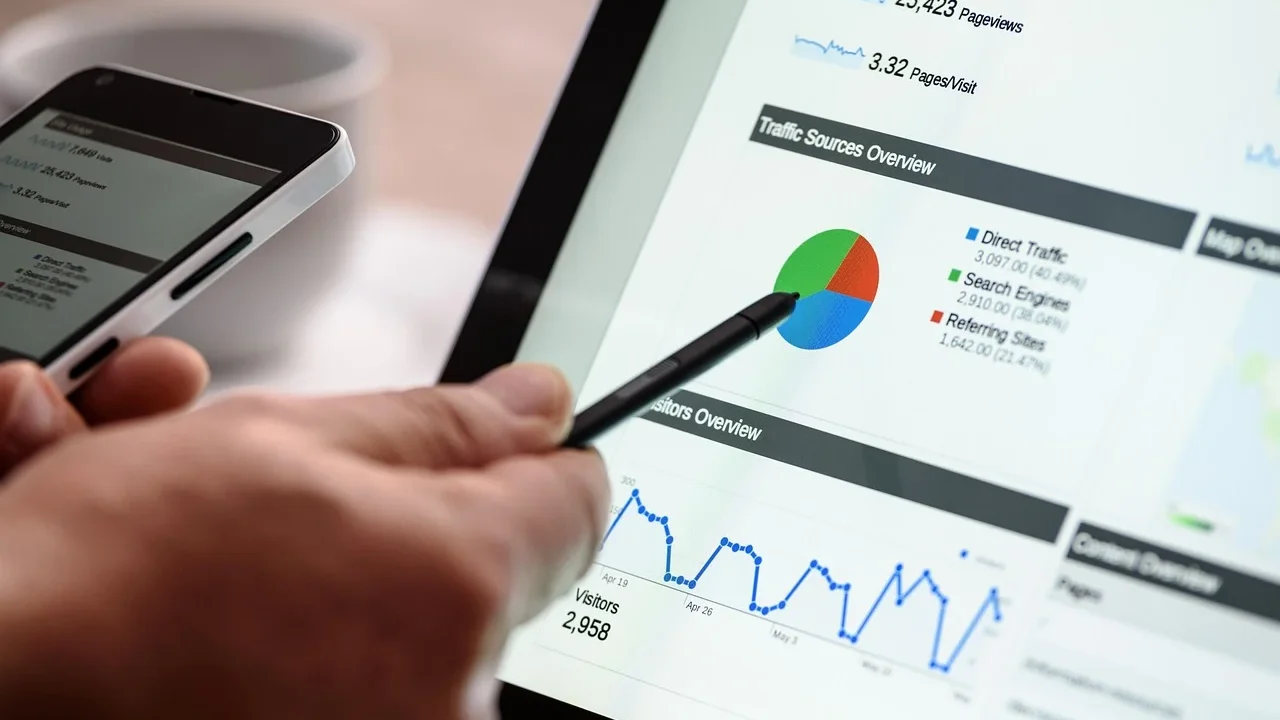
Affiliate marketing is a performance-based business model where you earn a commission for promoting someone else’s products or services. When a user clicks on your unique affiliate link and makes a purchase, the merchant pays you a percentage of the sale. It is essentially acting as a digital referral partner for established brands.
This model is highly attractive because you do not have to worry about product development, shipping, or customer support. Your primary focus is on driving targeted traffic to the merchant’s website through various channels like blogs, social media, or email newsletters.
Key Players in the Affiliate Ecosystem
There are generally four parties involved: the merchant (creator), the affiliate network (platform), the affiliate (you), and the customer. Networks like Amazon Associates, ShareASale, or ClickBank act as intermediaries that host various programs and handle the tracking and payments.
As an affiliate, you choose products that resonate with your audience. The success of this relationship depends on transparency and trust, as your audience relies on your recommendations to make informed purchasing decisions.
Common Commission Structures
Commissions vary widely depending on the industry and the type of product. Physical products usually offer lower percentages, often ranging from 1% to 10%, while digital products like software or online courses can offer commissions as high as 50% or more.
Some programs also offer recurring commissions, which means you get paid every month as long as the customer remains a subscriber. This is a powerful way to build passive income over time without needing to constantly find new customers for every single payout.
Baca Juga: Best Affiliate Tracking Software for Merchants 2026
Exploring the Dropshipping Business Model
The Fundamentals of Dropshipping
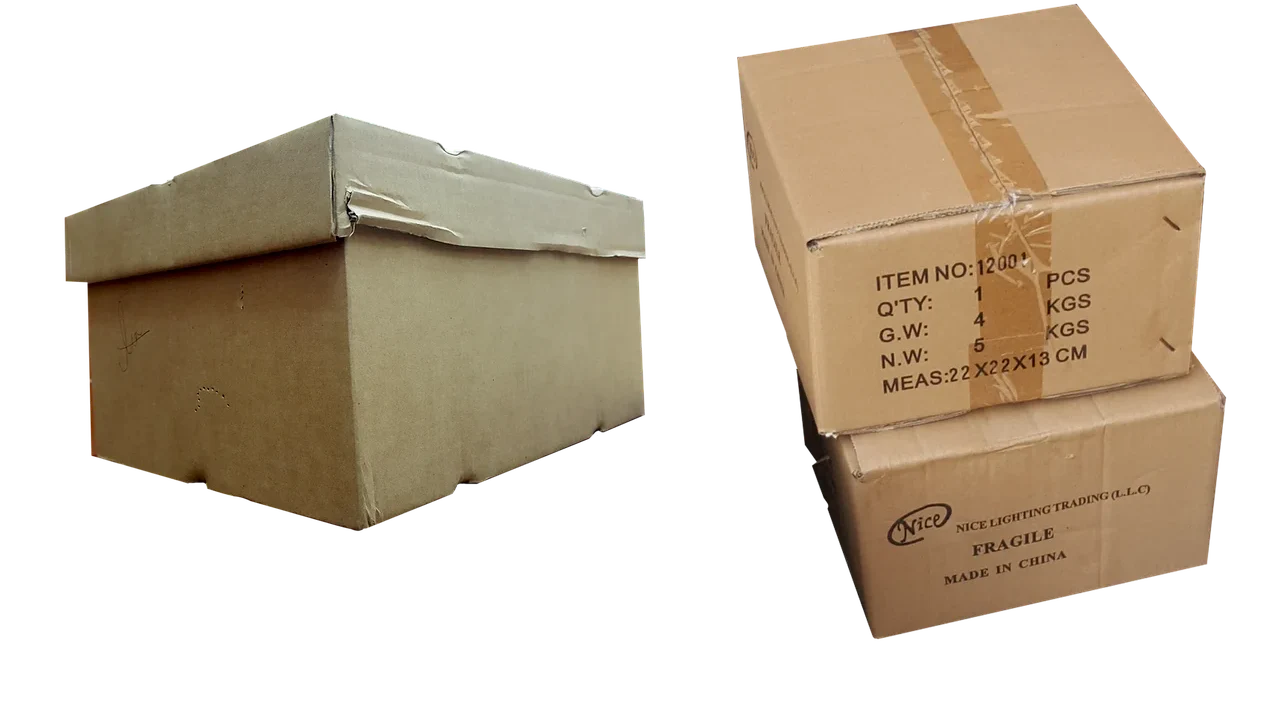
Dropshipping is a retail fulfillment method where a store doesn’t keep the products it sells in stock. Instead, when you sell a product, you purchase the item from a third party (usually a wholesaler or manufacturer) and have it shipped directly to the customer. You never see or handle the product yourself.
The profit in dropshipping comes from the difference between the price you charge the customer and the price the supplier charges you. Because you set your own prices, you have more control over your profit margins compared to affiliate marketing.
Finding and Vetting Suppliers
The backbone of a successful dropshipping business is a reliable supplier. Platforms like AliExpress, CJ Dropshipping, or Spocket allow you to browse thousands of products and import them into your online store with just a few clicks.
However, vetting these suppliers is essential to ensure product quality and timely delivery. Many entrepreneurs order samples first to test the shipping speed and packaging, ensuring that the customer experience meets their brand standards.
Managing the Customer Journey
Unlike affiliate marketing, dropshipping requires you to manage your own storefront, typically using platforms like Shopify or WooCommerce. You are responsible for the entire customer journey, from the moment they land on your site to the point they receive their order.
This means you must handle marketing, order processing, and any issues that arise during shipping. While you don’t hold inventory, you are the face of the business, making you responsible for the brand’s reputation and customer satisfaction.
Baca Juga: Best High Paying Affiliate Programs in 2026
Comparing Initial Investment and Financial Risk

Startup Costs for Affiliate Marketing
Affiliate marketing is often cited as the business model with the lowest barrier to entry. Your primary costs usually involve setting up a website, which includes a domain name and hosting. These expenses can be as low as a few dollars per month.
Beyond technical setup, your main investment is time and effort in creating high-quality content. While you can use paid ads to speed up the process, many affiliates start with organic SEO strategies to keep their initial financial risk near zero.
Budgeting for a Dropshipping Store
Dropshipping requires a bit more capital to get started. You will need to pay for a store subscription, high-quality themes, and various apps to enhance functionality. Additionally, because you are selling products under your own brand, you often need a budget for paid advertising like Facebook or Google Ads.
Another financial consideration is the cost of processing returns or refunds. Since you are the merchant of record, you must be prepared to cover these costs if a customer is unhappy, even if the supplier was at fault.
Financial Risks and Rewards
The risk in affiliate marketing is minimal because you don’t own the products and have no financial obligation to the customer. If a product stops selling, you simply switch to a different one. However, your earning potential is capped by the commission rates set by the merchant.
Dropshipping carries higher risk due to the potential for shipping delays or poor product quality, which can lead to chargebacks. On the flip side, the rewards can be significantly higher because you control the markup and can build a brand that has its own enterprise value.
Baca Juga: How to Start Affiliate Marketing for Beginners 2026
Operational Complexity and Daily Management

Daily Tasks of an Affiliate Marketer
The daily routine of an affiliate marketer revolves around content creation and audience engagement. This includes writing blog posts, filming videos, or managing social media accounts to provide value and include your affiliate links naturally.
Monitoring analytics is also a key task. You need to track which links are performing best and optimize your content to improve conversion rates. Once the content is live and ranking, it can generate income with very little daily maintenance.
The Workflow of a Dropshipper
A dropshipper’s day is often more hands-on. It involves checking for new orders, ensuring they are sent to the supplier correctly, and updating customers with tracking information. Many of these tasks can be automated with software, but oversight is still required.
Marketing is a constant requirement in dropshipping. Since you aren’t relying on a third-party brand’s reputation, you must constantly optimize your ads and website to maintain a steady flow of paying customers.
Customer Support Requirements
This is where the two models diverge most sharply. Affiliate marketers have zero customer support responsibilities. If a customer has a problem with a product, they contact the merchant directly, leaving you free to focus on your next marketing campaign.
In contrast, dropshippers must provide full customer service. This includes answering emails, managing social media comments, and resolving disputes. Providing excellent support is vital for building a sustainable dropshipping brand and avoiding negative reviews.
Baca Juga: The Ultimate Cost Per Action Marketing Guide 2026
Marketing and Traffic Acquisition Strategies

Content Marketing for Affiliates
Most successful affiliates rely on content marketing to build authority. By creating helpful guides, reviews, and comparisons, you attract users who are looking for solutions to specific problems. SEO is the primary driver of long-term traffic in this model.
For example, a tech blogger might write a detailed review of the best laptops for students. By providing genuine value, they earn the trust of the reader, making them more likely to click the affiliate links included in the article.
Paid Advertising for Dropshippers
While dropshippers can use SEO, the model is built for speed, which usually means using paid advertising. Platforms like TikTok, Instagram, and Facebook are popular because they allow you to target specific demographics who are likely to buy your products impulsively.
The goal is to achieve a positive return on ad spend (ROAS). If you spend $10 on ads to make a $20 profit, you can scale your business rapidly by increasing your ad budget. This requires a deep understanding of data and creative marketing.
Building an Audience vs. Targeting Buyers
Affiliate marketing is often about building a long-term audience or community. You want people to return to your site for your expertise. Dropshipping, however, is often more transactional, focusing on finding people who are ready to buy a specific product right now.
Both strategies have their merits. Building an audience provides more stability, while targeting buyers directly through ads can lead to faster revenue growth if you find a winning product early on.
Baca Juga: Water Heater Leaking From Bottom: Causes and Fixes 2026
Control Over Branding and Scalability
Branding Potential in Dropshipping
Dropshipping offers a significant advantage in terms of branding. You can create a unique store name, design a custom logo, and even negotiate with suppliers for private labeling. This allows you to build an asset that you could eventually sell for a large profit.
You own the customer data, which is a goldmine for future marketing. Having an email list of people who have already bought from you makes it much easier to launch new products and increase the lifetime value of each customer.
The Limitations for Affiliates
As an affiliate, you are essentially building someone else’s brand. While you can build your own personal brand or a niche website, the customer relationship ultimately belongs to the merchant. You generally do not get access to the customer’s contact information.
This means you are always dependent on the affiliate program’s terms. If a merchant decides to lower their commission rates or close their program, your income stream could be significantly impacted overnight.
Scaling Your Operations
Scaling affiliate marketing involves creating more content or expanding into new niches. It is a linear growth process that becomes more passive over time. Because there are no orders to fulfill, there is no limit to how many sales you can refer.
Scaling dropshipping requires managing more orders, higher ad spends, and potentially hiring a team for customer support. While it requires more infrastructure, the ability to scale quickly with a viral product is much higher in the dropshipping model.
Baca Juga: How to Flush a Water Heater: A Step-by-Step Guide 2026
Summary of Key Differences
Pros and Cons At a Glance
Affiliate marketing is best for those who love content creation and want a low-stress, low-cost business. Its biggest downside is the lack of control over products and lower profit margins per sale. It is the ultimate passive income play for many.
Dropshipping is ideal for those who want to build a real brand and have control over pricing. The challenges include managing customer service and dealing with shipping complexities. However, it offers a higher ceiling for those who master digital advertising.
Which One Should You Choose?
Your choice should depend on your personality and resources. If you have a limited budget and prefer writing or making videos, start with affiliate marketing. If you have some capital to invest and enjoy the technical side of e-commerce and advertising, dropshipping might be for you.
Many entrepreneurs actually start with affiliate marketing to learn the basics of digital traffic and then transition into dropshipping once they have more experience and capital to invest in their own brand.
Steps to Get Started Today
- Identify a niche that you are passionate about or that has high market demand.
- Research potential affiliate programs or dropshipping suppliers in that niche.
- Set up your platform, whether it is a content-focused blog or a product-focused store.
- Develop a marketing strategy, focusing on either organic SEO or paid social media ads.
- Analyze your results constantly and be ready to pivot or optimize based on what the data tells you.
Baca Juga: Expert 24 Hour Water Heater Repair Services 2026
Conclusion
In the debate of affiliate marketing vs dropshipping, there is no single winner. Both models are proven paths to success in 2026, provided you are willing to put in the work. Affiliate marketing offers a simpler, lower-risk entry point, while dropshipping provides the tools to build a comprehensive e-commerce brand with higher profit potential.
Success in either field requires a commitment to learning and a focus on providing value to the end consumer. Whether you are recommending a product through a link or shipping it from a warehouse, your reputation is your most valuable asset. Focus on quality, stay consistent, and use the systematic steps outlined above to launch your digital venture.
To summarize, if you want a hands-off approach, go with affiliate marketing. If you want to build a scalable retail business, choose dropshipping. Regardless of your path, the best time to start is now, as the e-commerce industry continues to grow at an unprecedented rate.
FAQ
Yes, many entrepreneurs combine both models. For example, you could have a dropshipping store and also include affiliate links to related products that you don't want to sell directly. This helps diversify your income streams and provides more options for your customers.
Affiliate marketing is generally considered more beginner-friendly because it has fewer moving parts. You don't have to deal with shipping, suppliers, or customer service, allowing you to focus entirely on learning marketing and traffic generation.
While it is possible to do affiliate marketing on social media platforms like YouTube or Instagram, having your own website is highly recommended. It gives you full control over your content and helps you build long-term SEO value that social platforms cannot provide.
Yes, dropshipping remains highly profitable, but it has become more competitive. To succeed in 2026, you must focus on finding unique products, building a strong brand, and providing faster shipping options than the traditional 3-week wait times from overseas.
You can start affiliate marketing with as little as $50 to $100, which covers your domain name and a year of basic web hosting. Most of your initial investment will be your time spent creating content and building an audience.